The ideal coffee I ever before made at home originated from a brownish paper bag that still felt warm. A carrier dropped it at my door on a Friday mid-day. The roast day was that morning. When I cracked the seal, a wave of aromatics struck like strolling past a pastry shop at 5 a.m., just this given off caramelized sugar, sweet tobacco, and a whisper of bergamot. The initial sip tasted vibrant and split, something store beans hardly ever deliver. The difference wasn't subtle. It was the freshness variable, and it changed the way I source beans.
Coffee is farming, chemistry, logistics, and routine wrapped right into a ritual we consume before we're totally awake. Freshness sits at the center of that routine. You can toenail grind size, temperature level, and brew proportion, however if your beans are stagnant, you'll be going after a ghost. That's where Coffee Beans Delivery comes to be more than an ease. When done right, it presses the time in between roast and mug, and shortens the chances of obtaining coffee that in fact preferences of origin, not cardboard and regret.
What "fresh" really indicates in coffee
Freshness isn't a solitary minute. It's a contour. Baked coffee begins transforming the minute it leaves the roaster. The beans carry trapped carbon dioxide, unpredictable aromatic compounds, bound dampness, and surface area lipids that all shift over days and weeks. I have actually baked expertly and made in the house long enough to see the pattern repeat across beginnings and processing methods.
Roasted beans usually need a pause to off-gas carbon dioxide. Ahead of time and the coffee can taste sharp or hollow, the gas combating extraction. Too late and you've shed the highs. For a lot of medium roasts, the sweet area gets here somewhere between day three and day fourteen post roast. For lighter roasts, I find the home window opens up later on, day five to day twenty-one, often much longer for dense, high-altitude Ethiopians or Kenyans. Dark roasts peak earlier since they're more porous and off-gas quicker. Those numbers aren't scripture, but they're consistent in practice.
What issues is control over that home window. Coffee Beans Delivered directly from a roaster offers you a roast date you can rely on and a clock you can intend around. Supermarket beans, also from trustworthy brands, often conceal behind a best-by date. You might be drinking coffee baked eight to sixteen weeks ago. Does it still make coffee? Certain. Does it taste like its beginning tale? Not likely.
The chemistry behind brilliant flavor
Aroma drives flavor. A lot of what we regard as preference in coffee comes from volatiles that evaporate while you make and while you sip. Roast produces thousands of substances, from fruity esters to nutty pyrazines. The problem is, these substances have half-lives. Oxygen, light, and warm try them day after day. Think about a fresh peach compared to one that sat on the counter for a week. The sugars really did not disappear, but the stimulating fragrance faded.
Two opponents do the most damages. Oxygen oxidizes lipids on the bean surface area, developing rancid notes and muting sweet taste. Time enables CO2 to escape, which reduces crema on coffee and changes removal dynamics for pour overs. You can see fresh beans flower strongly as gas leaves on contact with hot water. That bloom isn't just showmanship. It helps lift aromatics into the heavy steam you scent as you make. When the beans are old, the bloom is tired, and the mug tastes flat.
Packaging issues, but it can not reverse time. One-way valve bags slow oxidation by venting CO2 without letting air in. Nitrogen flushing, usual for bigger brand names, displaces oxygen before securing. These techniques assist, yet they expand shelf life more than flavor life. Supplied coffee, baked to order, puts you at the top of the curve where chemistry is still on your side.
Why distribution beats the shelf
I spent a year relying on grocery beans for convenience. I found out to scrunch up your eyes at best-by days, hunch roast dates, and wager. A few bags were great, numerous were not. The issue had not been top quality of environment-friendly coffee or brand name online reputation. It was time and handling. Bags sit in warehouse, then in back rooms, then under aisle lights. Temperature level swings and bright lighting accelerate staling. By the time you buy the bag, the coffee may already be past its peak.
With Coffee Beans Delivery, the chain shortens. Roaster to bag to door. The most effective roasters ship within 24 to 2 days of roasting. My shipments usually land 3 to four days later, which conveniently lines up with the pause. The initial mixture preferences well balanced, not limited. By the following weekend break the coffee sings. If you brew coffee, that timeline conserves you a lot of dialing in, because the beans stabilize after the early degassing hump.
There is one more advantage: specificity. With a shelf, your choices follow the distributor's plan. Online, you can chase after a cleaned Colombian from Huila in harvest, or a natural-processed whole lot from Sidama you bear in mind from last year. You can select a roast style that matches your mixture technique. The Best Coffee Beans Delivery services do not simply ship, they curate. They lug fresh harvests, share roast dates, and give profile notes that aid you make it right.
A roast date worth preparing around
The roast day ought to be a pledge, not a mystery. I like to brew drip from day 4 to day fourteen. For coffee, day seven to day twenty-one usually works better. That rhythm depends on climate and storage, but it's a helpful standard. With shipment, I can set up. If a roaster ships on Tuesday, I plan my brew around Saturday. The coffee arrives still dynamic, and I use the arc of the bag to experience it as it opens up up.
One of my favored experiments was straightforward. I bought 2 similar coffees from a roaster I rely on. I asked to deliver one instantly and to hold the various other for three weeks before delivery. Same whole lot, same roast account. The fresh bag poured a V60 with jasmine on the nose and a lime candy snap. The postponed bag smelled sleepy by comparison. The cup was great but generally sweet, the sides sanded off. Three weeks isn't long in grocery store land, but it suffices to reveal what you're losing.
Delivery and the logistics of flavor
Good distribution is not simply fast. It's aligned with the roast routine, your mixture habit, and the facts of transit. Weather en route matters. Heat accelerates staling. I've had summertime shipments get here with a bag that really felt cozy to the touch after being in a sun-baked mailbox. Most of the time the coffee survived, however I could taste the difference. In warm environments, I ask for carriers that deliver earlier in the day or ship to an access point. Some roasters will certainly load with insulation during warm front, and a couple of time out delivery when temperature levels increase. That's not picky. It respects the product.
Vacations develop another trap. You place an order, then leave town, your beans get here, and they rest a week. That's a double loss. Strategy forward. Time out subscriptions when you travel, or established distribution to match your return. The Majority Of Coffee Beans Delivered registrations allow you readjust days easily. Use that flexibility. Quality likes a calendar.
Does distribution expense more? Commonly. Is it worth it? Usually.
An extra pound from a quality roaster might cost more than a grocery bag. However context issues. Per mug, a much better bean still comes in below a café latte by a broad margin. And what you gain isn't simply flavor. You sustain the worth chain in a way that makes future flavor possible. Roasters who offer straight can pay farmers better, buy long-lasting partnerships, and bring in smaller lots that never ever make it to circulation. You taste it in the cup and see it in the openness sheet.
There are exemptions. Some food store carry neighborhood roasters and rotate supply promptly. I have actually discovered great coffee in those aisles, marked with clear roast days and a shelf turnover under 2 weeks. If your shop does that, take advantage. Yet treat those as the exemption. The default model still integrates in delay.
The membership advantage
I prevented subscriptions in the beginning. I bothered with shedding range and really felt careful of added bags piling up. The good solutions solved both problems. They let you pick cadence, roast degree, even change regions month to month. They show roast days and ship when the roaster draws the batch. The secret is discovering a timetable that matches your consumption. Track the number of grams you make each day. A standard home recipe could be 30 grams for a 500 milliliter put over, one or two times daily. That's roughly 210 to 420 grams a week. A 340 gram bag lasts a week if you brew once daily, half that if you brew twice.
If you consume coffee largely, your usage adjustments. Dial-in prices a couple of shots, and recipes run heavier. I pull 18 grams in, 36 grams out for a lot of medium roasts. Two increases a day burns via a bag in around 9 days. Registrations keep that pace straightforward. Skip weeks when required. Dual deliveries when business comes. The Very Best Coffee Beans Delivery solutions work like a metronome for your coffee life.
Storage: buddy, not savior
Even with distribution, storage issues. You can't stop staling, however you can slow it. I've evaluated a loads containers at home, from fancy vacuum containers to mason jars. Below's what works.
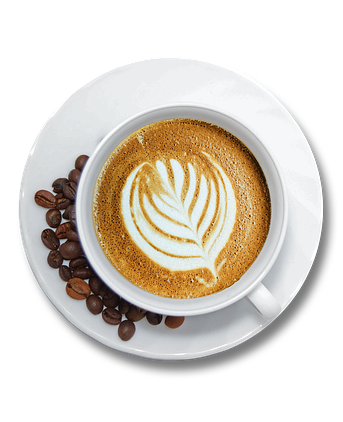
- Keep beans sealed in their one-way shutoff bag until you're ready to utilize them, then transfer to an airtight, opaque container sized to the volume of beans. Less headspace means much less oxygen. Avoid light and warmth. Shop in an awesome cupboard, not the fridge. The refrigerator condenses moisture when you open and close the door. Freezing jobs, yet just in little, closed batches you won't refreeze.
If you freeze, part the bag into single-brew or single-day packs. I make use of 60 gram packs for pour overs and 100 gram loads for espresso. Usage heavy zip bags, eject the air, and freeze fast. When you require coffee, grind straight from frozen or allow it come to room temperature sealed to stay clear of condensation. Cold flexes the regulations on freshness and buys you time without damaging flavor, yet it beams finest for overflow, not your everyday routine.
Brewing into the window
With delivered beans, you'll observe flavor modifications across the life of a bag. Very early days can taste spritzy and brilliant, later days round right into chocolate and caramel. Adjust your method. If a light roast preferences also prickly on day five, include a couple of seconds to flower, or elevate water temperature level a degree or two to coax sweetness. If a medium roast preferences boring two weeks in, tighten up the work slightly to recover structure.
Espresso demands patience. Fresh beans can transport, gush, or blond very early if carbon dioxide fights the puck. Allow the beans settle to day seven or 9, then set your standard. Do not hesitate to bump dosage up by half a gram or rise ratio to chase clarity. With very fresh beans, a longer pre-infusion aids. I start with six to 10 secs at reduced stress on equipments that allow it. You'll understand when the coffee strikes its stride. Shots run consistent. The crema looks thick yet not sudsy. The scent leaps.
Matching beginning and roast to delivery
The most satisfying component of distribution is selecting coffees that fit the season and your taste buds. Quality is a multiplier. It amplifies whatever the coffee currently wishes to be.
- Washed Ethiopians: They radiance when fresh. Anticipate florals and rock fruit in the first 2 weeks, after that deeper honey tones later. Naturals from Brazil or Ethiopia: They lug huge aromatics early, ripe strawberry or cocoa nib. Keep grind a touch coarser at first to prevent overextraction covered up by fruitiness. Washed Central Americans: Traditional balance. Sugar, apple, almond. These coffees hold well right into week 3 if saved well. High-density Kenyans: They benefit from persistence. Day ten to twenty can be magic, with blackcurrant and grapefruit that remain vivid. Dark roasts: Use in the initial ten days for the glossiest results. As they age, great smoky notes control and acidity fades.
The factor isn't to be stiff, it's to acknowledge that Coffee Beans Delivered gives you an opportunity to time your mixtures to the coffee's arc. You can drink via those shifts intentionally, not by accident.
The human variable: roaster relationships
When coffee shows up at your door, you likewise gain access to individuals that roasted it. Excellent roasters solution e-mails regarding brew specifications, share water dishes, and recommend mill setups for specific great deals. The feedback loophole improves your mug faster than any gadget. I as soon as worked with a roaster on an El Salvador pacamara that kept sampling woody in my kitchen. They requested for my water account and detected the issue. My calcium to magnesium ratio skewed high, muting level of acidity and exaggerating tannins. I fine-tuned with a low-mineral base and mineral packets, and the coffee transformed. That type of support frequently features straight relationships, not anonymous grocery transactions.
If you're checking out Coffee Beans Delivery for the first time, start with a roaster whose flavor notes reverberate https://sergiochnc069.raidersfanteamshop.com/barista-level-brews-coffee-beans-delivery-that-boosts-your-coffee with you. After that stay for a couple of bags. Learn their roast tempo and just how their summaries map to your palate. Over time you develop a recommendation library in your head. You'll know what their "candied citrus" implies in a mug, not just on a bag.
Edge instances and honest trade-offs
Not everyone stays in a major metro where next-day delivery is an option. Country addresses may encounter longer transportation. That doesn't kill the advantage, however it moves your strategies. Pick roasters closer to you geographically to cut a time off the trip. Lots of regional roasters ship equally as well as famous names throughout the country. For very remote locations, cold ends up being a routine tool: make one bag fresh, ice up the second in portions.
Another trade-off is selection tiredness. With a lot of options online, it's alluring to jump every week to a new beginning, a new roast design, a brand-new process. Exploration is enjoyable, yet it can feel scattershot. Offer yourself a style for a month. Check out cleaned procedures just. Or choose one farm or co-op and try different roast levels. Shipment is the perfect system for organized curiosity.
Sustainability is a reasonable worry. Delivering small packages has a footprint. Counter that by getting two bags each time to decrease shipments, selecting ground solutions over air when timing enables, and sustaining roasters who invest in recyclable or compostable packaging. The larger lever remains spending for top quality, which supports far better farming practices upstream.
How to pick a delivery companion you'll actually love
If you look for the Best Coffee Beans Delivery, you'll locate directories and positions that shuffle each month. Trendy does not constantly indicate better. Use a short list based upon what really affects flavor and your experience.
- Transparent roast dates, never ever simply best-by. Preferably baked within 2 days of shipment. Origin information beyond nation: area, farm or co-op, procedure, range, altitude, harvest year. Shipping cadence straightened with roast days, plus choices to stop briefly or adjust. Clear taste notes that match cup fact, not simply marketing gloss. Real support. Brewing overviews, water suggestions, and fast responses to questions.
I keep 2 registrations going from various roasters for range and control. Then I slot in one-off bags when a minimal whole lot captures my eye. It's a rhythm that maintains the rack lively without building a backlog.
The initial mug ritual
The very first mug from a brand-new bag has an event for me. I grind a little coarser than my normal and brew a modest 1:16 proportion to see what the coffee intends to claim. I swirl the flower delicately and watch the dome rise. Fresh coffee breathes. It's a living product also after roast, and meeting it in that state develops your senses. I keep in mind the aroma dry and damp, then change from there. If the acidity stands out too tough, a better work and a level hotter water brings sweet taste ahead. If the sweet taste is there but the structure really feels mushy, I pull the work back or minimize agitation.
Delivered coffee makes that ritual feel worth the focus. You're not resuscitating an exhausted bag. You're capturing a moment.
Why all of it preferences much better when it's close to the roast
Everything circles back to distance, both in time and focus. When coffee reaches you within days of roasting, you taste what farmers expanded and what roasters shaped. The citrus in a Yirgacheffe tastes like citrus, not memory. The cacao in a Guatemalan preferences like cacao nibs, not stagnant chocolate powder. Your brewing decisions matter extra, since the coffee has clearance to respond.
Coffee Beans Shipment is not a silver bullet. It won't deal with a plain grinder or an off-kilter pot. It won't turn a dark roast into a floral arrangement or a light roast right into a delicious chocolate bomb. Yet it does set the stage. It provides you the raw product near its height, and it respects the truth that coffee modifications day by day.
Freshness, it turns out, is not a deluxe. It's the baseline for flavor. When the beans are right and recent, your morning cup stops being a habit and becomes a small adventure. Which's the entire point.